Herbaria (May 15, 2013): One Year Later

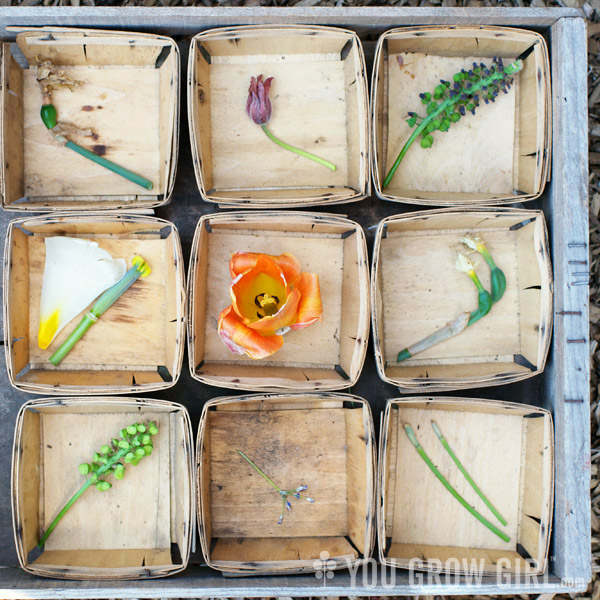
Herbaria May15 2013

Before I talk about the project I wanted to mention the awkward image sizes that are appearing on the site. We are in the process of a redesign and will be using larger photos in the future. I plan to post at a larger size from here on out, but it will be a bit awkward until the new site design is functioning.

Tomorrow marks exactly one year since I started the Herbaria. I knew the anniversary was approaching, but did not realize the date until I set up to take this week’s photo. There it is: one year complete. I wish this were coming at a batter time. Instead of feeling accomplished, I’m feeling frustrated, uncertain, and a bit sorry for myself.

Still, to commemorate the occasion, I decided to make this collection a theme that coincides perfectly with the current phase in my garden: the finished blooms of spring ephemerals.

Read more…

Leave a comment

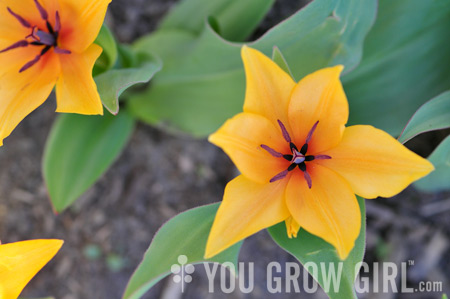
Tulipa Praestans ‘Shogun’

I have to say that while I had been feeling a bit extravagant in my fall bulb purchases, I don’t have an ounce of regret now that spring has come and I am able to enjoy them in bloom. It’s been a joyful surprise watching each bud emerge from the soil and open. In many cases I had forgotten what was planted and it’s been like an adult version of a surprise inside bag. What will bloom next?

Read more…

Leave a comment

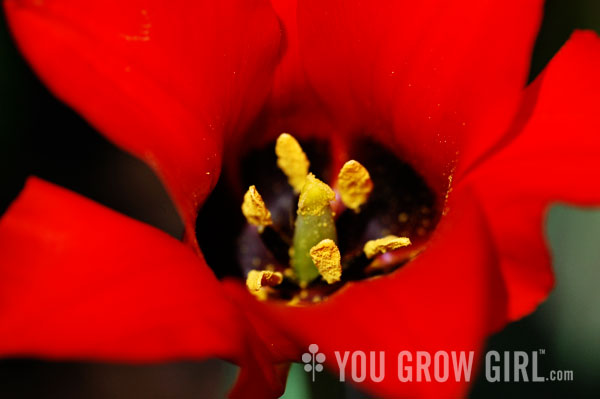
Tulipa greigii

Photo by Gayla Trail  All Rights Reserved

The thing I like about this tulip, besides the other-worldly colour, is that the leaves are striped with red streaks. I don’t know the name of the cultivar.

Leave a comment

Creating a Naturalized Bulb Garden

Guest post by “The Bulb Lady” Debbie Van Bourgondien

Before I start, let me issue a word of caution. If you have any ideas about planting daffodils in your lawn for that Wordsworth-like field of golden daffodils effect – don’t. That is not what I mean by naturalizing bulbs.

A friend of mine, seduced by the copy in a bulb catalog (not ours!) ordered hundreds of daffodil and tulip bulbs and, according to instructions, knelt in her side yard and tossed them gently on the lawn, planting them wherever they fell to achieve a natural look.

She achieved it.

But then the grass began to grow – and the foliage had not yet begun to ripen, so mowing wasn’t possible. Cutting down bulb foliage before it has properly ripened will deprive the bulb of much needed nourishment and make for a poor second-year display. And the grass just kept getting taller.

After a couple months of crawling around the yard with lawn clippers trying to keep things tidy enough that the neighbors wouldn’t scream, my friend threw up her hands arid mulched the whole side yard to kill the grass (for she would never kill those lovely daffodils!) and a new garden was born.

Now she is wiser, and naturalizes her bulbs in areas that won’t need mowing – under trees where, in spring, there is an abundance of sunshine during bloom time, but too much shade for grass to flourish afterward. Or in a wild garden with grasses arid native plants, or in a woodland garden where groundcover, rather than lawn is the order of the day. Bulbs can even be “naturalized” in a garden, where later-emerging foliage will hide their sad remains.

Exactly What is Naturalizing?
Basically, it is planting masses of bulbs in such a way that they look like they grew there naturally, and of such varieties that they can be left to themselves to expand to ever-greater abundance.

What this means is that you want to choose bulbs that are sure to not only return, but also increase

When most of us think of naturalized bulbs, we think of tulips and daffodils, and yes – these bulbs can naturalize very nicely. But some are better than others.

In tulips, look for botanical and species tulips such as Tulip Violacea ‘Pallida’ – a lovely little white tulip with a bright blue base that will colonize quite nicely. Or try the new ‘Come Back’ tulip in bright red with a black base. I have found that some of the Triumph tulips, especially Apricot Beauty return well for me – although they don’t always increase.

In daffodils, once again the species daffodils and many of the older varieties, such as King Alfred, Dutch Master and Carleton are best. A brand new tulip called (blush!) The Bulb Lady also happens to be a great naturalizer, and with its long yellow trumpet and slightly reflexed petals is quite lovely (if I do say so myself).

Grape hyacinths naturalize well, and look gorgeous with all that yellow and white. Virginia bluebells are another great companion, especially if you have gone more for white daffs and tulips that pink opening into blue is a constant delight.

Then there are crocus. You cannot go wrong naturalizing tons of crocus – even in the lawn. They are the first things to open near my house, and such a welcome sight that I keep planting more and more. I remember seeing a church in Connecticut that was a veritable Persian carpet of crocus and it was a splendid thing. The bonus us that because they are early and small, they are probably ready to be mowed when your lawn is.

Don’t forget ferns. Not only do they add a wonderfully natural look to any naturalized area but they will grow tip and fill in to hide the bulbs foliage when it begins to yellow.

The key to a lovely planting is to choose a limited palette of colors, and to mass them. You know the shape of a paisley? Try to plant huge paisley shapes of one color, interlocking with paisley shapes of another. You can mix plants, but if you start intermingling too many colors you not only get a blur, but an unnatural effect for your naturalized garden. After all, in nature single plants spread and form masses – and that is what you are trying to achieve here, too.

Of course one problem with trying to achieve a truly lovely massed effect is that you have to contend with critters. Squirrels have been known to rearrange my crocus, and voles think of them as their own personal buffet. So the first thing to think of at planting time is creature-protection. Planting tulips and daffodils deep (8 to I 0 inches) puts them out of reach of the voles; if your soil is too rocky then try planting each bulb with a handful of sharp grit or gravel mixed in with the planting medium. This irritates their tender little noses and they tend to leave your bulbs alone.

When you do plant, it is easiest to dig a large patch of earth up – enough for several bulbs at a time – than it is to dig separate holes for dozens – or hundreds- of bulbs. Make sure you are planting in a well-drained area, as too much damp can cause bulbs to rot. Scatter the bulbs into your hole in groupings – odd numbers always work best. And when you replace the soil be sure to amend it with some sand, perlite or crushed gravel if needed. And don’t forget bulb food – compost, bonemeal, bloodmeal or kelp will help to get things off to a healthy start.

If you have areas around a tree, or under shrubs, or in areas of your yard that can go without mowing until early mid-summer, or simply areas of your garden that could use a spring boost but will fill out with ferns, daylilies, hostas or other good foliage-hiders later, consider naturalizing a bushel or two of bulbs. The spring boost it will give you will just get better every year.

Bulbs to Naturalize

SPRING

  • Snowdrops – Galanthus nivalis
  • Glory of the Snow – Chinodoxa
  • Crocus (all kinds)
  • Iris reticulata
  • Tulips (botanical or species, Tulipa tarda, some Darwins and Triumph tulips
  • Anemone blanda
  • Siberian Squill – Scilla siberica
  • Striped squill – Puschkinia
  • Grape Hyacinth – muscari
  • Guinea hen flower – Fritillaria meleagris
  • Narcissus
  • Dogs Tooth Violet – Erythronium

LATE SPRING TO SUMMER

  • Siberian Iris
  • Allium
  • Hardy Asiatic lilies
  • Aurelian Hybrid lilies
Comments Off

Save Your Plant – Forced Bulbs

In this part of the world (southern Ontario) it isn’t uncommon for people to begin craving springtime as early as February. People reach out to brighter days and warmer weather anyway they can. One of the easiest ways to satisfy this need is to purchase forced bulb plants such as crocuses, tulips, narcissus and hyacinths. Unfortunately since these plants don’t flower long enough to make it through until spring, many of us are left with several pots of dead plants by the time the first crocuses appear.

Bulb Plants That Are Commonly Forced:

  • Crocus
  • Narcissus
  • Tulip
  • Hyacinth
  • Lily
  • Dwarf Iris (Reticulata)

These plants may be withered but they aren’t dead yet. With a little extra work you can save them and give them a second life in your garden, resulting in more value for your buck. However, they will not grow indoors again so do not attempt to force them a second time. Forcing bulbs drains their energy resources and throws them out of whack. The only bulb that can withstand a repeat performance of this process is the amaryllis (Hippeastrum).

When the flowers are dead, cut them off with a sharp pair of pruners and leave the foliage intact. Continue watering the plant as usual and be sure to keep it in a sunny area near a light source. The leaves must be able to continue producing energy through the process of photosynthesis.

When the leaves turn yellow and begin to fade, reduce watering to about half. Once the leaves have withered entirely, discontinue watering and allow the soil to dry out.
After the soil has dried out, remove the bulbs from the pot and cut off the dead foliage near the base of the bulb. Wipe the bulb clean with a dry cloth. Do not allow it to become wet again. Store the bulbs in a cool, dry and dark place such as a paper or mesh bag. There must be ample air circulation and the bulbs must remain dry or they may rot.

In the fall plant the bulbs outside in your garden or give them to someone with a garden if you don’t have one. The plant will put on a poor show the first year with undersized, few, or no blooms but should perform well the following year.

Comments Off