All About Planting Onion and Shallot Sets

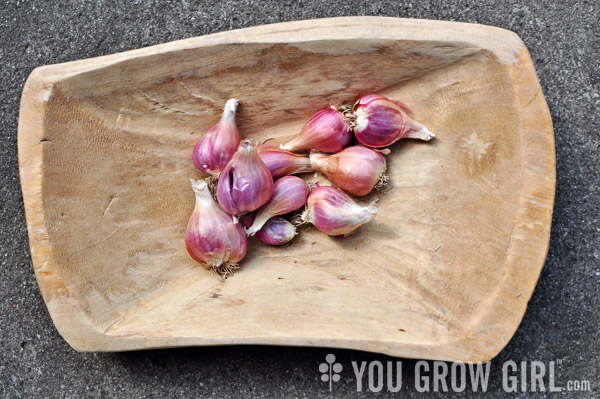
Shallot Sets

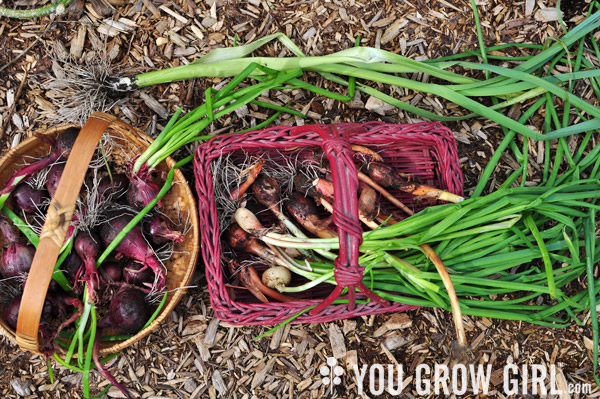
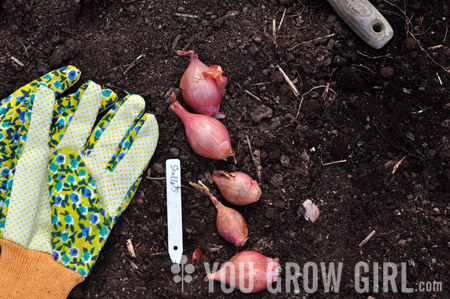
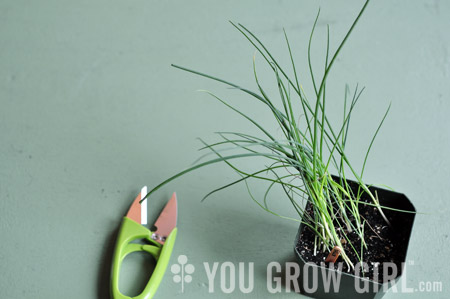
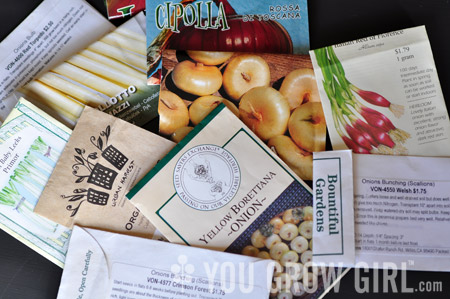
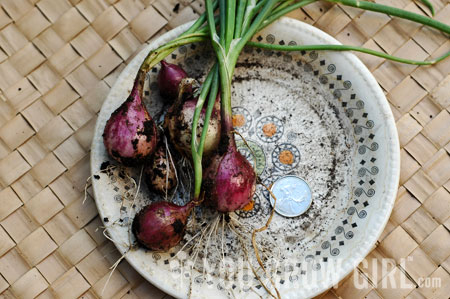
The other day I wrote about hardening off onion and leek seedlings. This week I am planting out onion and shallot “sets”. Planting sets may seem redundant since I already have seedlings on the go, but I assure you there is a method to this madness.

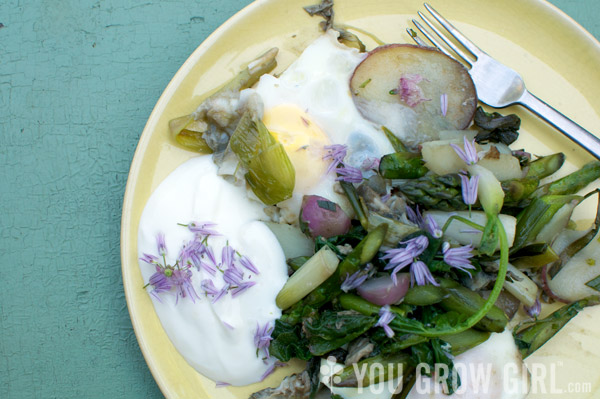
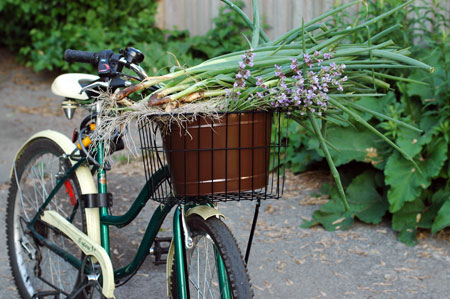
In my house, we cook with shallots and onions everyday and we never seem to have enough. This year I plan to step up my game and grow more than ever. I don’t want them to be ready for harvest at the same time. Now THAT would be madness. Starting from a range of sources (seed, sets, and even store-bought transplants) allows me to have a steady stream of edible alliums (as well as tender onion greens) available for use in our meals throughout the growing season and well beyond. Not only have I already been using the fresh greens clipped from my onion seedlings, but I have even harvested some of the full-sized perennial bunching onions that I planted last fall! Over the years I have found that if I take care to plant at intervals and protect the plants, I can have some form of edible allium available almost year-round!

Read more…

Leave a comment

Preparing Onion and Leek Seedlings to Go Outdoors

onion_seedlings

I’m currently in the process of hardening off the first round of onion and leek seedlings in preparation for permanently planting them outside. To recap, here’s the planting calendar that I follow:

Read more…

Leave a comment

Have You Started Your Onions, Shallots, and Leek Seeds?

I live in the northeast and am starting a bunch of mine today underneath lights. The following are a few tips gleaned from my own past blunders and successes to help you get started with yours.

Onions & Shallots: Depending on the type, onions are fairly flexible plants that will tolerate a certain amount of rule-breaking on your part. Bunching onions aka scallions tend to be tougher and can be direct sown outdoors in mid-Spring with some frost protection (a cold frame, bottle cloche, or cover).

Read more…

Leave a comment

February at the Community Garden

Photo by Gayla Trail  All Rights Reserved

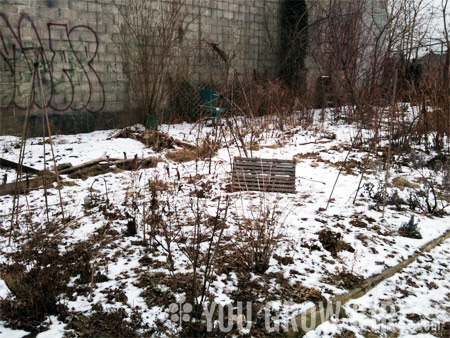
We popped over to the community garden yesterday afternoon with a frozen pail of compost. I thought I would take some pictures so you can see what it looks like in the middle of winter.

As you can see, not much is happening. Drab and dull. We stop using our plots between October/November and March/April depending on the season.

Photo by Gayla Trail  All Rights Reserved

If I wanted to really maximize the space, I could construct some cold frames within my plot and grow cold hardy greens like kale, mache, and spinach. And I would, but unfortunately the lane-way that leads to the garden is typically treacherous terrain through the winter months. We haven’t had much in the way of snow and ice this winter — it’s the first year since joining the garden around seven years ago that I’ve been able to get to the garden gate with relative ease.

Instead, I grow edible perennials as a strategy for extending the season. Cold hardy, perennial herbs such as garden sage, oregano, marjoram, chives, garlic chives, mint, and ‘Egyptian Walking’ onion function as the bones of the garden, holding in the soil and offering up a harvest that starts in the early spring and lasts straight through to the late fall.

Here’s what it looks like in April.

There are also a few self-seeders including calendula, chervil, bloody dock, lovage, shiso, lemon balm, and chamomile that pretty much grow themselves. They can be a curse or a blessing of plenty depending on how you look at it.

Over the years I’ve also added a few small fruit bushes including gooseberries and American black currant, and several strawberries (wild and alpine types) as a way to get garner yearly crops that don’t require seasonal planting.

Photo by Gayla Trail  All Rights Reserved

This is a wild geranium that showed up one day. I always let a few survive since they’re not too invasive and I like their pretty little pink flowers. As you can see, it is also proof that plants don’t necessarily “die” during the winter, but stay alive in a dormant stage underneath the snow.

And it looks like we’ve had a visitor in our absence. I noticed new graffiti in a couple of spots along The Beer Store wall.

Leave a comment

‘Mini Purplette’ Onions

Photo by Gayla Trail  All Rights Reserved

Every year I go a little nuts growing large crops of onions such as ‘Egyptian Walking’ over at my community garden plot.

Onions grow easily in the ground, but they tend to take up a lot of space in containers. In the past I have grown smaller, bunching onions in pots as a way to have the odd onion on hand without wasting the kind of space that could be dedicated to coveted crops like tomatoes and basil. I like onions well enough, but nothing, not even a batch of slowly caramelized onions is coming between my mouth and a caprese salad.

Photo by Gayla Trail  All Rights Reserved

Speaking of which, I made my first caprese salad of the season last night.

But I’m always on the lookout for something different to try, just in case. In the early spring I nabbed a pack ‘Mini Purplette’ onion seeds with the promise that I would have bulbous, miniature yet mature red onions come late summer. [I got mine from Urban Harvest however, Seeds of Change has them in the U.S.]

Photo by Gayla Trail  All Rights Reserved

And sure enough, this afternoon I reached my hand into the soil of a medium-sized pot and discovered several round, golf ball sized red onions.

Photo by Gayla Trail  All Rights Reserved

I’m very pleased with them and plan to grow more next year. I grew mine in fairly deep containers (about 10″) but am absolutely certain they would size up well in a window box. In fact, I would like to see that — several little onion tops neatly lined up in a row.

Or not. Because really, who am I kidding? My gardens are anything but neat.

Leave a comment