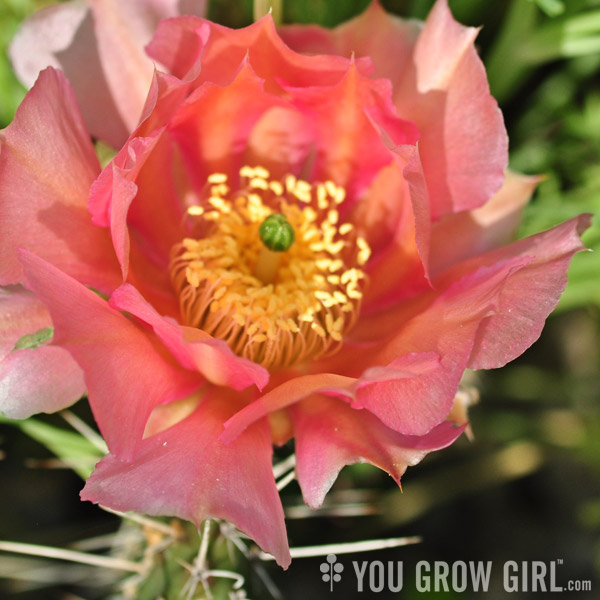
Learning from Nature: Observations on Cold Hardy Cacti

Throughout my gardening life there have been many plants that I tried to grow with middling success, until I observed them growing in the wild. Sarracenia (pitcher plants), venus fly trap (Dioneae muscipula), episcia, and ginger are just a few that come to mind. Seeing them in their natural habitat helped me understand something about the soil, light, moisture, or the communities they grow in that allowed me to better approximate their needs at home in my own garden and pots.

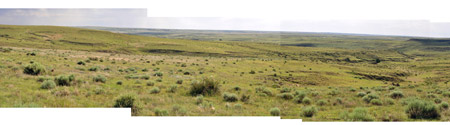
In June 2011 I travelled to Denver, Colorado to speak at the Denver Botanic Gardens. One of many things I was excited to see in the area were cold hardy cactus growing in the wild. I’ve been growing Opuntia humifusa and other hardy cacti in pots for years and had only recently began to have success with them in the ground. But I still felt that there was something that I was missing.


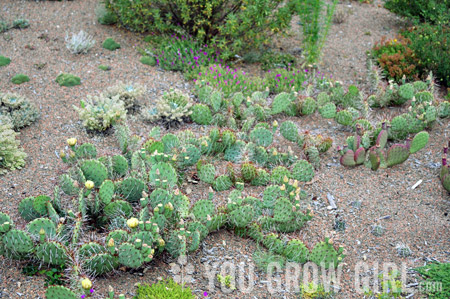
A pretty typical cactus garden with lots of space between plants. Note that I took this photo on the roof of one of the buildings at Denver Botanic Gardens.

Read more…

Leave a comment

Herbaria (January 16, 2013): The All Hardy Cacti Edition


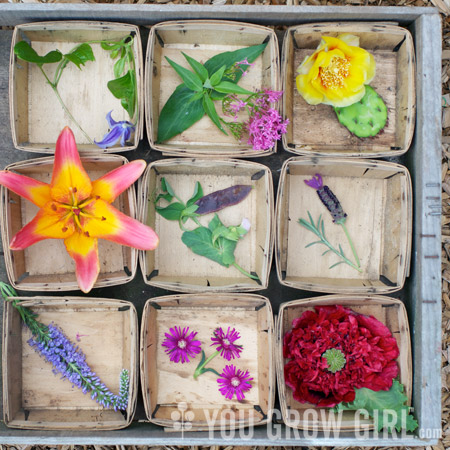
As previously mentioned, I decided to stop posting weekly from my ongoing Herbaria project. However, I am still assembling the boxes and taking the photos each week and hope to make this into something bigger once the full year is up in May. Until then they will make an appearance now and again rather than weekly.

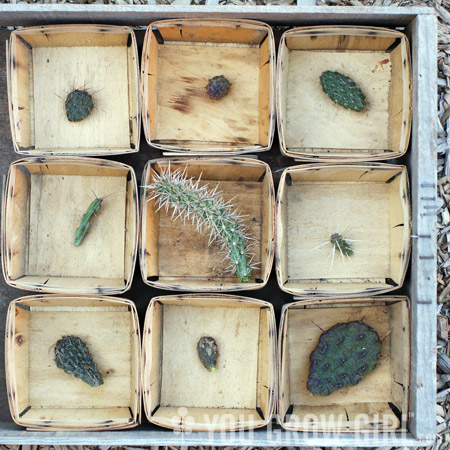
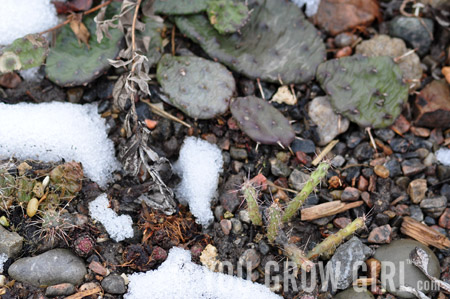
When I took this photo we had just experienced a big thaw and I thought it would be interesting to assemble the opuntias to see how they have been fairing up underneath snow. For eight of the nine plants this is their first winter in the ground, outdoors. I checked up on them today (another big thaw) and they are holding up nicely.

I am yet to write extensively about my experiments with hardy cactus in Toronto, Canada, but I promise there is more to come. What you see here represent the sum total that I have growing outdoors to date, but I hope to add many more this spring. The desire to fill up all available space with these ferocious beauties is strong — the trick is in finding them.

If you’d like to learn more about growing hardy cacti, I highly suggest “Cacti and Succulents for Cold Climates” by Leo J. Chance. It’s a fantastic book full of useful information. I’ve gone back to explore its pages and drool over the photos many times since I purchased it.

Read more…

Leave a comment

California Poppy ‘Buttercream’

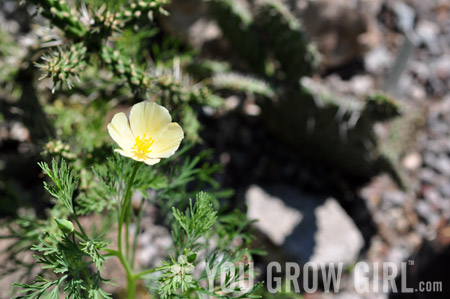
This soft and creamy version of the typically orange California native poppies are just starting to bloom in my Dry Garden Bed. Despite my love of orange I went with the cream flowers because there are too many other colours in that bed and it would have been chaos. I also love the unusual.

Read more…

Leave a comment

Herbaria (June 22, 2012)

The highlights of this week are my breadbox poppies, which are treating me every day to a new colour and form, and the cold hardy opuntia that have made me so very, very happy to have chanced into the good fortune of exceptionally well-draining soil that is on the sandy side. This garden is an absolute pain in the butt to water, but the growing possibilities are mind-blowing for someone like me who has a longstanding fixation/fascination with dry land flora. It’s going to be unreal next year when all of the new opuntias I have added are abloom. I may pass out from the sheer joy of it.

The plants…

Read more…

Leave a comment

Cold Hardy Opuntia (Winter)

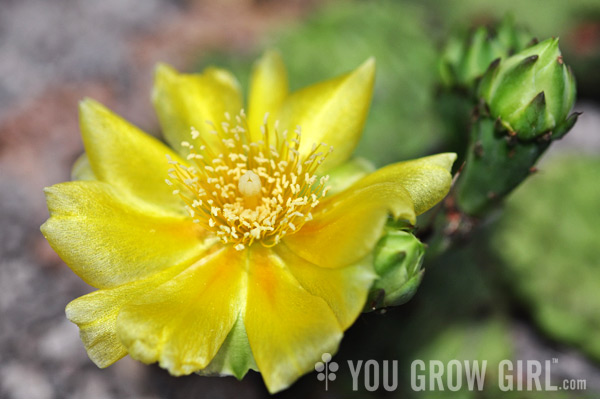
At least a decade has passed since I first discovered and started growing cold hardy opuntia and yet it still comes as a surprise that they exist, like some mythical unicorn come to life. And there are so many of them! Some have thick paddles like the big opuntia that produce edible pears in southern climates. Others have thin leaves and stand tall — a lot taller than you’d think possible in freezing climates.

I used to grow winter hardy cactus in pots on the old roof garden, and I had small success (and mostly failure) growing them in the barren earth next to the building; however, moving to a place with a yard was an opportunity to give them a permanent place of importance and experiment with a dry garden bed, albeit on a small scale.

Read more…

Leave a comment