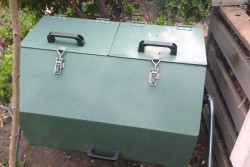
Review and Giveaway: Jora JK125 Tumbling Composter

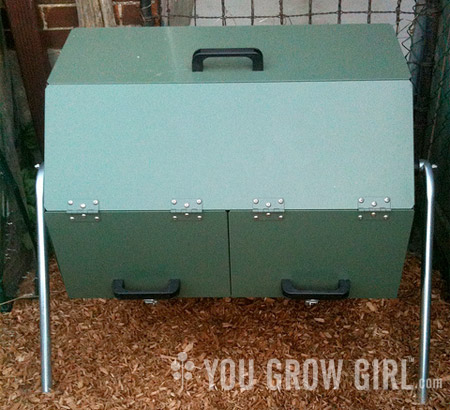
Building an outdoor compost bin was the very first thing we did when we started working on the new yard last spring. We made our bin on the cheap by upcycling a busted futon frame that was left in the yard by former occupants. So far the bin has worked beautifully, but like all one-bin systems it has its downsides. Keeping the bin aerated is a chore, and the fresh, ready-made compost is a pain to extract from the very bottom of the pile. The bin is also open to vermin, and while nesting rodents can be discouraged simply by keeping a well-maintained pile, I have had at least one unwelcome occupant in my years working with D.I.Y compost piles.

Homemade bins are very viable and often far superior to the cheap black plastic contraptions sold by the City (our kept falling apart and eventually housed a wasp nest), but they are not ideal. For that reason I have longed to try a really good composting system, specifically a tumbler that makes easy work of turning a heavy pile. Still, when eartheasy contacted me about trying out the Jora JK125 Tumbling Composter I was intrigued but extremely hesitant as I wasn’t sure where or how I would cram a second composting unit into an already jam-packed, narrow urban yard.

Over the years, my motto as an obsessive plant hoarder working within exceptionally tight spaces has been, “I’ll make it fit.” And somehow, magically, I always do. The only reason I was able to to manage it here is because the Jora is a self-contained unit. It smells a bit when the balance of greens and browns is off, but even then we’re only subjected to a marginally funky smell when the lid is opened. Beyond that, it’s a really easy composting system to live with. I specifically located my D.I.Y bin way at the back of the garden, away from the house, but I was able to cram the Jora into our outdoor seating area, nearly touching the table I eat at. So far so good. Some people decorate their outdoor living areas with decorative water features, attractive container plantings, or charming woodstoves. I sit down to dinner next to an industrial-green, powder-coated steel, 33 gallon compost bin.

Read more…

Leave a comment

It Came from the Compost Bin

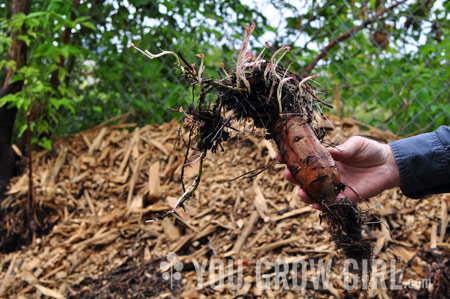
I’m not even sure how a whole sweet potato got in there in the first place, but this one really wanted to grow.

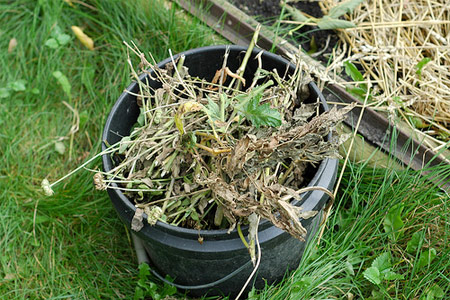
That giant pile of wood chips in the background is the result of a large weed tree that fell down and flattened a portion of our community garden, including our ramshackle compost bin. But Davin, our resident Compost Technician keeps plugging away at it, undeterred. Proof positive that one does not require a proper bin with four sides and a top to turn garden and kitchen waste into compost.

Leave a comment

Worm Food

Photo by Gayla Trail  All Rights Reserved

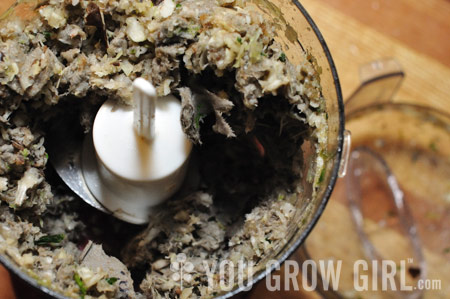
Sometimes, when I’m feeling too lazy to hand chop, I give dinner’s assorted vegetable scraps a quick whiz in the food processor before feeding the gruel to the worms in my kitchen wormery. I liken it to cutting the food on your kids’ plate into sizes that are manageable for their little mouths. I imagine that my worms’ mouths must be really, really tiny.

To be clear, I’m not saying I think of them as children. We’re not that close, really.

Going to the extra effort really is worth it. The worms process what’s in the bin much faster, and we never suffer from unfortunate smells indoors.

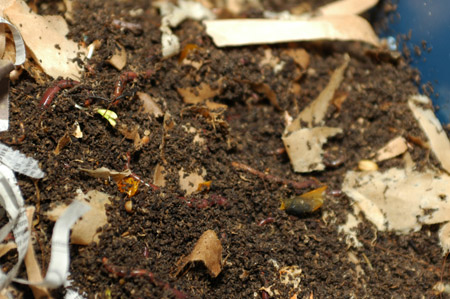
Ingredients seen here: Romaine lettuce cores and blackened bits and paper egg cartons that have been pre-softened in water and ripped by hand.

Leave a comment

How to Compost and Reduce Waste

Photo by Gayla Trail  All Rights Reserved

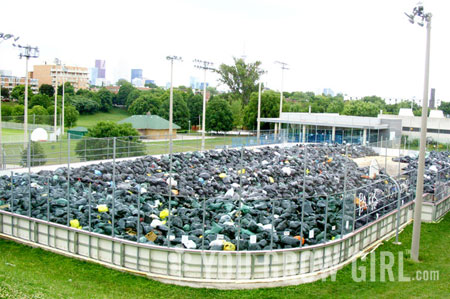
Since The City of Toronto is week three into a city workers strike that includes garbage collection, it appears (see above) to be a very good time to reintroduce some resources on small space composting.

One sure-fire, easy way to compost that I haven’t included here is to dig a hole. Yes, like the infomercials say, It is that easy! Dig a deep hole, put the scraps into the hole and cover it over. Done. Dig a really deep hole if you plan to bury crab and shrimp shells, fish parts, or anything that might attract vermin. Your plants will love it!

In lieu of digging a hole, I present to you these other very viable options:

Leave a comment

Shifting My Worm Bin

Photo by Gayla Trail  All Rights Reserved

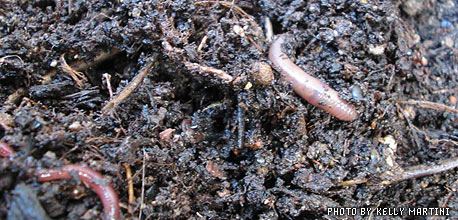
My composting worms are housed in an average-sized bin that we keep in the hallway just outside our apartment door. This spot next to the recycling bin is great three out of four seasons of the year since it saves precious space inside our apartment and is the perfect distance between the roof garden and the kitchen. Unfortunately, the winter season poses a problem. The hallways are heated but just barely, not nearly enough to keep redwigglers (Eisenia foetida) alive.

Photo by Gayla Trail  All Rights Reserved

This year, rather than lugging the big bin into the apartment and living with it underfoot until spring, I decided to downsize. The population in my bin is pretty tame right now. It’s good for the worms to have lots of room in the bin but mine were the equivalent of a two person family living in a monster home. Resizing and moving the contents was easy enough. The bin wasn’t ready to be harvested so I simply prepared a new bin using a smaller container I already had on hand. The worms went into the new bin, bedding and all.

They needed a small top-up of bedding so I shredded some used paper bags I had been saving and moistened it slightly before adding it to the bin. I’ve tried a variety of methods and materials for making bedding over the years and brown paper or paper bags shredded in a paper shredder is my favourite way to go. I don’t mind newspaper but prefer not to use it for reasons that really only come down to pure vanity.

Photo by Gayla Trail  All Rights Reserved

Improvements

I made a few changes to this new bin based on its size. I was most concerned about creating good air flow in such a small bin so I added a few extra holes to the bottom and top with a few more added to the sides. I also added a large hole on top using a drill bit meant for making doorknob holes. I added a piece of coir planter lining, which can be pulled out to increase air flow. I did this because sometimes the bin can get too wet, requiring me to prop open the lid to increase circulation. This works well but I tend to forget about it and leave it propped for too long, sometimes drying out the bedding more than I had intended. The idea behind the larger hole is to regulate air flow more subtly. We don’t have vermin so there is no fear of mice getting into the bin through the large hole and taking up residence. If you do have mice that come in for the winter I would suggest adding more small holes and skipping the larger hole.

Another little trick I’ve come up with over the years is propping the bin on top of small flower pots. Bricks and cans work too. Propping the bottom up allows for better air flow underneath the bin. And the extra plastic lid underneath catches any run-off which can be saved and poured onto your plants as fertilizer.

In Conclusion: I Rule

We’ve been living with the new bin for about 2 weeks now and so far it has been great. I love it and have offered myself numerous mental high fives since making the shift. As you can see, the new bin fits perfectly underneath a table in the kitchen so composting takes about 5 seconds. The new larger hole on top has been genius — I haven’t had any problems regulating air flow and have avoided having to prop open the lid.

For more on vermicomposting:

Leave a comment