Concord Grape Jam/Jelly

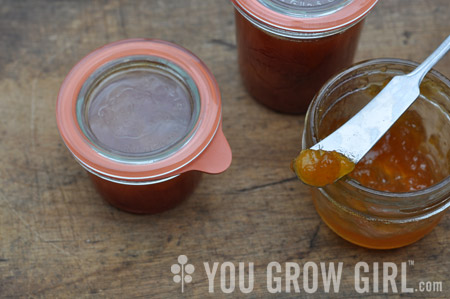
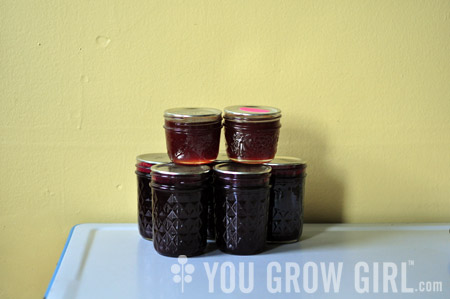
The killing frost came a little early this year and I spent the weekend hustling plants inside and preserving up a storm. I don’t actually grow grapes, but one of the perks of living in an Italian neighbourhood is that they are everywhere. I’ve already made up two batches of jelly/jam (one pink and one Concord) and if I ever get through the legions of green tomatoes from the garden in time, I will surely try to do up a small batch of grape wine.

I don’t know whether to call this a jam or a jelly as it sits somewhere between the two. I included grape flesh but omitted the seeds and skins.

Read more…

Comments Off

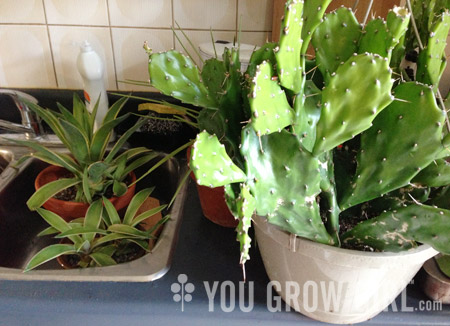
Bringing Potted Plants Indoors

I’ve been hurriedly bringing all of my frost-sensitive houseplants indoors for the winter in a mad rush to beat the season. As always I am doing it at the last minute rather than drawing it out slowly. Many of you are in a similar boat so I thought I’d compile a checklist of things that I do in the process.

  • Check all plants thoroughly for critters. Check underneath mulch, leaves, in the crevices between stems…
  • Slugs, snails, sowbugs, and earwigs can cram themselves into the tiniest spots. Check all around containers, especially plastic pots and hanging baskets that have a crevice underneath the lip.
  • To flush pests out of the soil: Add a few inches of water to a deep sink or bucket and mix in a few drops of natural dish soap (no chemicals or scents added). The unscented Dr. Bronner’s liquid soap works well for this. Set pots in the liquid for a couple of hours. I am often lazy and don’t bother doing this with all pots — just the ones that I know are problematic.
  • To flush pests out of the soil: A few drops of neem oil can be added to the water as an alternative to soap.
  • Scrub any outside dirt from the side of the pots while they have their turn in the soapy water.
  • Lightly shower particularly dirty or pest-infested plants with a hose before bringing them inside.
  • Scrub down empty pots with a scrub brush and lightly soapy warm water. Set aside to dry thoroughly before putting them away.
  • Place a small piece of newspaper between stacked terracotta pots to keep them from sticking to one another.
  • Prune off any dead or diseased leaves and stems and cut back hard any plants that will be going dormant through the winter months.
Leave a comment

Tomato and Sage Bread Soup

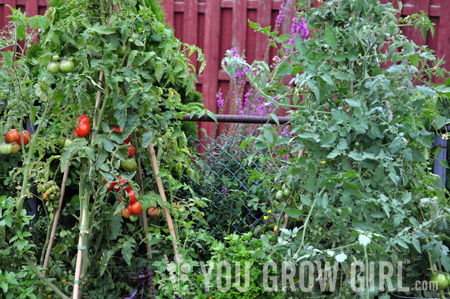
These last days of the tomato harvest are fast approaching and I am finding myself increasingly careful about how I use up the remaining fresh fruit. This is it and then I am back to another 8-9 month wait before I get to taste the good stuff fresh again.

It was with this late season panic infecting my brain that I decided I’d better get on enjoying a few last-minute tomato soups. My go-to, there-is-no-other-way-to-enjoy-it-thanyouverymuch method is roasted in the oven. Always with basil. I’ve probably thrown in some oregano now and again. Thyme is also a possible addition. But for the most part I am wholly dedicated to basil in my tomato soup.

I would never dream of marring the perfection of my tomato soup with another herb, certainly not a strong one like fresh sage. Never say never. The other day I was flipping through, “My favorite ingredients,” a cookbook by Skye Gyngell and stopped on a tomato bread soup recipe that used sage as its primary herbal flavour. I’ve made tomato bread soup in the past and while I don’t mind bread soups in general when the ingredients are good and the bread is appropriately dense, I’m always a little taken aback by the mushiness, a textural aversion that I have held onto from my childhood when our cheap canned soup lunches were bulked up by soggy crackers. That said, it wasn’t this aspect of the soup that caused me to pay attention, but the sage.

Sage in tomato soup you say?

I dared myself to try something different and potentially waste one of my last gluts of good homegrown tomatoes. I didn’t follow the recipe exactly. I used more tomatoes than were called for; I didn’t bother measuring out any of the ingredients, come to think of it. Her recipe includes a hot, dried chile pepper, but I decided to use the fresh, mildly hot peppers that are still coming from my garden. I topped mine with grated pecorino cheese. I did not use the chewy, peasant style bread that is often called for in bread soups because I didn’t have any. Instead, I opted for a few slices of stale spelt bread that I had in the fridge. Again though, it was the use of strong, earthy sage versus basil in a tomato soup that I was most interested in. The only reason why I stayed with the bread soup version was because I wanted to stretch this out into a meal.

I was not disappointed. We ate up the whole pot! This would make a particularly warming late fall/winter meal by substituting fresh tomatoes for a jar that has been home-canned (or purchased).

Read more…

Leave a comment

Fall Blooming Colchicum

Behold a colourful mass of naked ladies emerging from a tangle of periwinkle that I happened upon on an afternoon walk. I highly recommend planting colchicum corms in any-sized garden, even if you are a beginner. [How to grow info is here.]

Read more…

Comments Off

Packing the Season into Jars: Recipe & Giveaway

It’s canning season! To get in the spirit, Margaret of A Way to Garden and I are hosting a canning extravaganza and giveaway thanks to our newest sponsor, Peaceful Valley Farm & Garden Supply. Giveaway details can be found at the bottom of this post.

Canning is joyful, fun, and creative activity, but make no mistake, it is work. I’m not sure if it is the creative impulse or the fact of the hard work, but all canners inevitably seem to follow a trajectory that begins in hesitation and fear (OMG will I accidentally kill my friends and family!?), and ends in crazed jar hoarding and pimping. Many of you have followed along on this website or social media where I have mentioned the lengths I have gone to to acquire and schlep home pretty jars that I can’t buy here in Canada. For practical and budgetary reasons I still put up the bulk of my wares in the cheapest jars I can find wither thrifted or new, but the fact remains that I want the aesthetics of my handiwork to reflect the quality of the work I put into filling them. I gotta have nice jars!

I’ve tried all manner of jars over the years, and so far the jars that I love and covet most are simply crafted, glass and rubber works of art made by a German company called Weck. I bought my first set of fancy pants Weck canning jars 4 years ago and I’ve been hooked ever since. Several boxes later and I have managed to assemble a collection that includes at least one of very nearly every size and shape in their catalogue. The first jars I bought back in 2008 were the larger deco and tulip designs. They are absolutely gorgeous jars to be sure, but I immediately discovered that their awkward sizing and shape makes them difficult to can. I fumbled around over the course of two years, sustaining several minor burns, before giving up and deciding that they would be better used elsewhere.

Read more…

Leave a comment