I just read a fascinating piece via the Telegraph UK that is absolutely blowing my mind.
Researchers at the Royal Botanical Gardens Kew have conducted a study looking into plant behavior, specifically carnivorous plants, and are concluding that there are hundreds more carnivorous plants out there in the world than previously realized. Many of which are common to our own vegetables gardens.
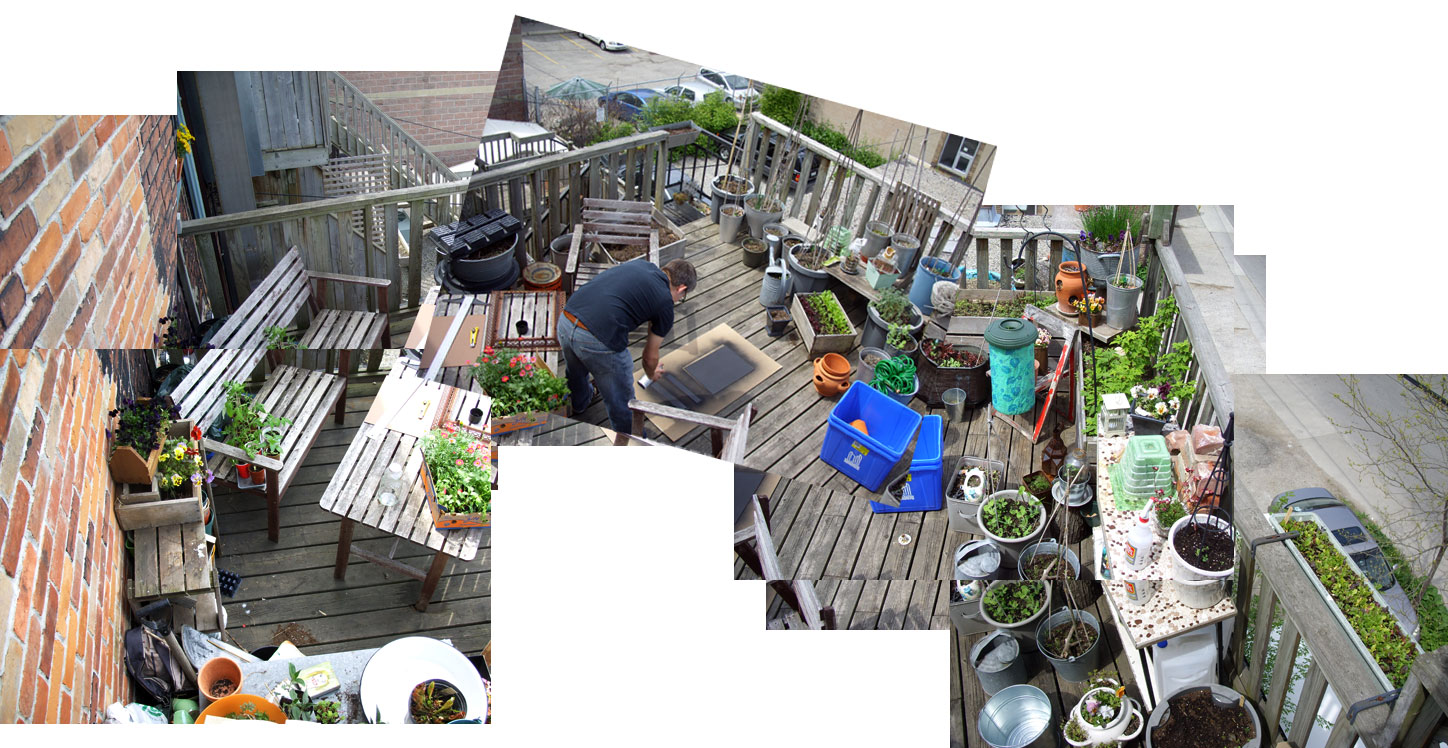
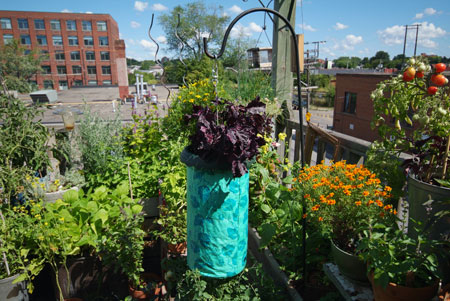
The one that makes the most sense to me based on personal experience is nicotiana. I grow Nicotiana alata every year in pots up on my roof and have observed that the leaves are incredibly sticky and attract gazillions of insects throughout the growing season. In fact, I often position the plants in problem areas as a way to attract and kill aphids and other small flying insects. And yet somehow, I never thought to identify this unique ability as carnivorous!
Another plant mentioned is the common, often banal and overrated petunia. I grew petunias this year by chance, something I said I’d never do, ever. But then some were sent to me and I actually sort of liked the variety and the next thing I knew they were potted up and growing alongside the chives and some variegated marjoram. Throughout the season I noticed that this particular petunia had incredibly gummy leaves and attracted legions of tiny, flying bugs all over the leaves, stems, and even the flowers, not at all unlike the nicotiana.
But did I ever think to identify this plant alongside the likes of a sundew or pitcher plant? I should know from studying so much postmodern theory in university, the power that “naming” has to subvert and even define the way we classify or contextualize things. This is a fantastic example of that power at work.
The third example that I find most fascinating are tomatoes and their little sticky hairs. Botanists are now saying that the plants can trap (most of us tomato gardeners know this) and kill insects with these hairs and as the insects die they fall into the soil and are absorbed as nutrients. That’s the real clincher here, because classifying a plant as carnivorous is often about identifying that the plant has adapted to killing insects for nutritional use. I got as far as observing that they could kill, but did not go as far as asking whether or not they were then absorbing the insects as supplemental nutrition. But even if the stickiness and trapping ability is only defensive, isn’t that enough given that the plants are still killing the insects?
This is fascinating stuff and has made me realize how much more conscious I would like to be in the observations I make as I tend my gardens. There is so much amazing stuff to learn and discover in the smallest, day-to-day muddling we do as gardeners, don’t you think?
Leave a comment