Foodcycles

Photo by Gayla Trail  All Rights Reserved

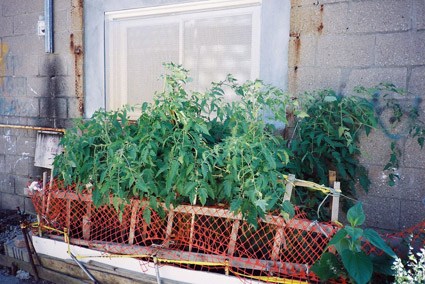
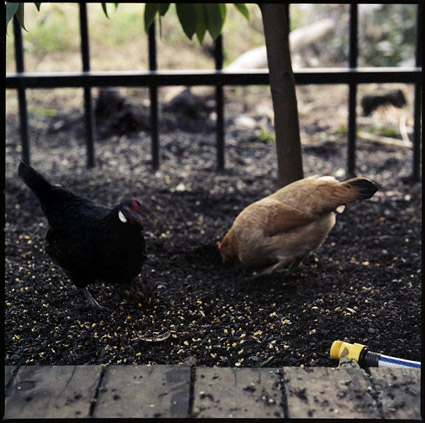
Back in August 2009 my friend Laura asked me if I wanted to take a quick jaunt out to the burbs to take some pictures of the Foodcycles farm.

At the time we had just finished putting the finishing touches on the book design and it felt like I hadn’t left my computer in what seemed like forever, give or take a millennium. While I had no idea what Foodcycles was at the time, I agreed enthusiastically to a car ride and a summer evening outdoors communing with something other than my keyboard.

Photo by Gayla Trail  All Rights Reserved

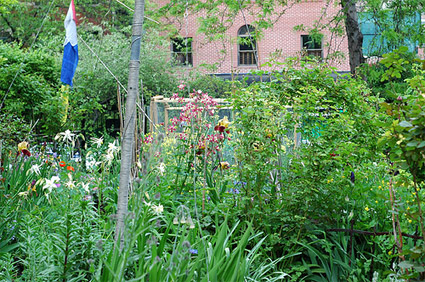
The trip turned out to be a really, really nice surprise and a refreshing, inspiring way to unwind from months of madness. Foodcycles is a working market garden that sits on an acre of land in a former airforce base, right smack in the middle of several busy intersections in North Toronto. Imagine looking out of one of the hi-rise buildings nearby onto a view of a working farm with rows and rows of greenery right alongside strip malls and commuter traffic. If only something like this had existed back when I was a university student doing the daily, miserable bus commute right past this park!

Photo by Gayla Trail  All Rights Reserved

They’ve got a huge greenhouse on site, too, that also houses a beautifully built wormery for composting as well as several raised beds.

Photo by Gayla Trail  All Rights Reserved

This is the wormery in progress.

Foodcycles was inspired by Growing Power, a city farm in Milwaukee that produces produce as well as fish, honey, compost, and more. They’ve come a long way in a year but as a not-for-profit they need help from the community to keep on going. This Thursday, Jan 28, 2010 (6:30-8:30 PM), Foodcycles is hosting a fundraising effort at Bloor Cinema (506 Bloor St W) where they will be screening the film Dirt!

They have offered me 2 free tickets to the screening to giveaway here. If you’re in the Toronto area and would like to attend the screening simply post a comment here stating your interest. There’s only a day left so I’ll draw one person for both tickets tomorrow morning (Thursday).

Leave a comment

Experiencing Fresh Cacao: The Sequel

Photo by Gayla Trail  All Rights Reserved

Two years ago I wrote about my disappointing experience eating fresh cacao in Cuba. Cacao (Theobroma cacao) is the tree that chocolate comes from. The fruit is a big pod that forms directly on the trunk and older growth of the tree. It kind of looks like a squash and smells like one too.

Photo by Gayla Trail  All Rights Reserved

Chocolate is made by fermenting, sun drying, and sometimes slow roasting the little beans that form inside the pod. However, a sweet, white, and sticky flesh grows around the beans that can be eaten fresh out of the pod. Eating that fresh flesh was on my list of things to do before I die; however, my first attempt was thwarted by an over-ripe pod that was neither sweet nor sticky and kind of tasted like a giant eraser for BIG mistakes.

When we were planning this trip I knew that we would come into contact with fresh cacao again and that I was not going to miss the opportunity to have a proper do-over. Still, I thought trying cacao in Dominica would mean making a special trip to a cacao plantation, but it turns out that cacao trees grow practically everywhere on the island. The tree grows well in mountain regions where the weather is humid and shaded by taller forest trees. That pretty much describes the entire island of Dominica, save the city where we stayed and a handful of dryer areas on the west coast.

Most flights come into Dominica on the east coast and it’s about an hour and half drive through the interior to get to the capital, Roseau. I must have spotted a million cacao trees along the route, although we did not stop to pick one on that day. I had hoped I could buy one from the market, but while I did purchase several unusual items there I never did see a cacao pod for sale. I think that may be simply because it is so easy to come by. Why buy one at the market when you can pick a pod right off the tree growing in your own yard?

Photo by Gayla Trail  All Rights Reserved

Read more…

Leave a comment

This is How Bananas and Plantains Grow

Photo by Gayla Trail  All Rights Reserved

At one time just about everyone in Dominica grew bananas. Stabilized market prices made it possible for farmers to etch out a humble prosperity growing and selling bananas for export to the UK. But Dominica’s small-scale banana farmers can no longer compete with the massive plantation output of Latin America’s big banana business. Between that and a destabilized market, growing bananas does not provide a living wage.

Still, wherever you go in Dominica, you’re bound to run into a banana tree or two. Or several. Possibly a hillside covered in them. And now that I’ve had so much exposure to this primitive plant, I think I have a pretty good idea of how it grows and an even larger sense of awe about just how weird it is.

The big purple dangling thing in the photo is the flower heart. The flowers develop underneath the bracts, which peel back as the flowers form fruit.

In truth, I believe the plant in the photo is actually a type of plantain, not a banana. We made this mistake at the market a few times, as I have never seen such small plantains for sale in Canada. I thought I knew about the breadth and scope of banana types, but being in Dominica showed me just how wide the variety really is.

If you’d like to learn more about the banana industry in the Caribbean, I’d also recommend the documentary, Life and Debt, which has a small but eye-opening segment on what has happened with the EU and how impossible it is for small-scale, fair wage farmers to compete with big agro-business.

Comments Off

David’s Orchid (Spathoglottis plicata)

Photo by Gayla Trail  All Rights Reserved

In August 1979 a massive hurricane hit the small island of Dominica, devastating just about everything in its path including homes, roads, crops, trees, and even leaving mountaintops bare.

Amazingly, in the wake of all of that destruction, the hurricane left behind a new plant, Spathoglottis plicata, an Asian ground orchid that can now be seen all over the island. It was named David’s orchid to remember the hurricane that brought it.

Leave a comment

Standing in the Shadow of a Massive Euphorbia

Photo by Gayla Trail  All Rights Reserved

Can you believe the size of this thing? Me neither. I have not seen a euphorbia of this size before or since.

This photo was taken at the Andromeda Botanic Gardens in Bathsheba, Barbados.

Euphorbia make up a very large and diverse genus of plants, but because of the size I believe this plant may be one of the tree euphorbia (e. abyssinica, etc) that we North Americans commonly grow as houseplants. We have two in our bedroom; ailing plants that Davin bought from a corner store years ago, repotted, and nursed back to health. Sadly, or perhaps fortunately, they will never grow to be more than a tiny fraction of the size of this tree.

One of the many things I brought back from this trip (or the Barbados portion of it anyways) was a new respect and appreciation for euphorbias. Now to find myself a nice Euphorbia lactea for my collection.

Photo by Gayla Trail  All Rights Reserved

Here’s an encore minus the cheesy tourist.

massiveeuphorbia2.jpg

Leave a comment